Les derniers communiqués de presse du gouvernement du Yukon. Pour lire les communiqués de presse de 2009 à 2017, visitez les archives.
Communiqués de presse
Appel de candidatures pour le Prix d’alphabétisation 2024 du Conseil de la fédération
23 avril 2024
Le premier ministre encourage les mises en candidature pour le Prix d’alphabétisation, lequel vise à honorer les personnes qui œuvrent pour l’alphabétisation et l’apprentissage con
Nouveau financement sur trois ans pour la réfection de la partie nord de la route de l’Alaska
23 avril 2024
Réfection à venir de la partie nord de la route de l’Alaska.
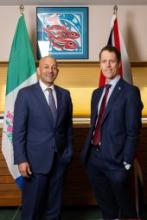
Déclaration du premier ministre Ranj Pillai sur la visite du consul général du Royaume-Uni Thomas Codrington
23 avril 2024
Déclaration du premier ministre Ranj Pillai sur sa rencontre avec le consul général du Royaume-Uni Thomas Codrington.
Création d’un nouveau parc national : une possibilité étudiée par le Conseil tribal des Gwich’in, la Première Nation des Na-Cho Nyäk Dun et les gouvernements du Canada et du Yukon
22 avril 2024
La création d’un parc national dans le bassin hydrographique de la rivière Peel permettrait de protéger le secteur de façon permanente.
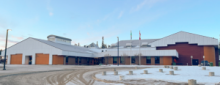
La rénovation extérieure de l’École élémentaire Elijah-Smith est terminée
22 avril 2024
L’École élémentaire Elijah-Smith fait peau neuve sur 90 000 pieds carrés.
Le gouvernement du Yukon accorde plus de 1,6 million de dollars à 21 projets yukonnais par l’intermédiaire du Fonds de développement communautaire
22 avril 2024
Le gouvernement du Yukon accorde plus de 1,6 million de dollars à 21 projets yukonnais par l’intermédiaire du Fonds de développement communautaire.
Réouverture de la Bibliothèque publique de Whitehorse
22 avril 2024
La Bibliothèque publique de Whitehorse rouvre ses portes.
La commissaire annonce le lancement du livre De Fort Cudahy à la maison Taylor
19 avril 2024
La commissaire du Yukon, Adeline Webber, est heureuse d’annoncer le lancement du livre De Fort Cudahy à la maison Taylor.
Le Comité consultatif sur la réforme du système de santé annonce des séances d’information sur Shäw Kwä’ą/Santé et mieux-être Yukon/Health and Wellness Yukon
17 avril 2024
Le Comité consultatif sur la réforme du système de santé annonce des séances d’information sur Shäw Kwä’ą/Santé et mieux-être Yukon à Dawson, Whitehorse et Watson Lake.
Mise en vente de nouvelles parcelles par tirage au sort et par appel d’offres pour la phase 7 à Whistle Bend
17 avril 2024
De nouvelles parcelles résidentielles sont mises en vente par tirage au sort et par appel d’offres à Whistle Bend.